Search Engine Marketing: Complete Guide to SEM Success
TL;DR: Search engine marketing (SEM) is a digital marketing strategy that increases website visibility through paid advertising and organic optimization on search engines like Google. It combines pay-per-click campaigns with SEO techniques to drive targeted traffic, generate leads, and boost conversions by placing your business prominently in search results when potential customers search for relevant keywords.
Frequently Asked Questions
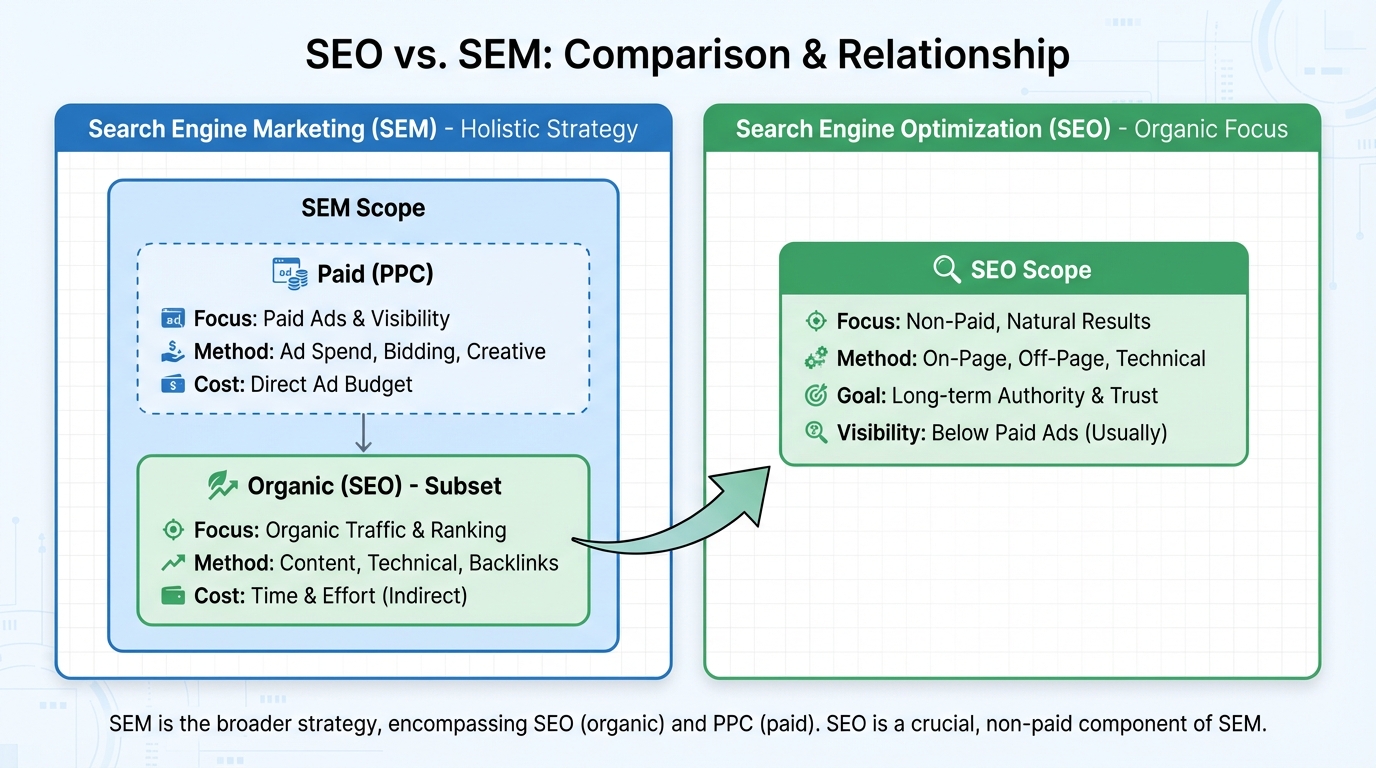
What is search engine marketing and how does it work?
Search engine marketing (SEM) is a digital marketing strategy that increases website visibility in search engine results through paid advertising and SEO optimization. It works by targeting specific keywords users search for, combining pay-per-click (PPC) campaigns with organic search optimization techniques. SEM helps businesses reach potential customers actively searching for their products or services, driving qualified traffic and conversions through strategic bidding and content optimization.
What is the difference between SEO and search engine marketing?
SEO (search engine optimization) focuses exclusively on improving organic search rankings through content optimization, technical improvements, and link building. Search engine marketing is a broader term that encompasses both SEO and paid search advertising (PPC). While SEO delivers long-term, unpaid traffic growth, SEM combines organic strategies with paid campaigns for immediate visibility. Many businesses use both approaches simultaneously to maximize their search engine presence and drive comprehensive results.
What does SEO full form stand for in search engine marketing?
SEO full form is Search Engine Optimization, a core component of search engine marketing. It refers to the practice of optimizing website content, structure, and technical elements to rank higher in organic search results. SEO involves keyword research, on-page optimization, link building, and technical improvements. Unlike paid advertising, SEO focuses on earning traffic naturally through relevance and authority, making it a cost-effective long-term strategy for sustainable growth.
How can Google Search Console webmaster tools help with search engine marketing?
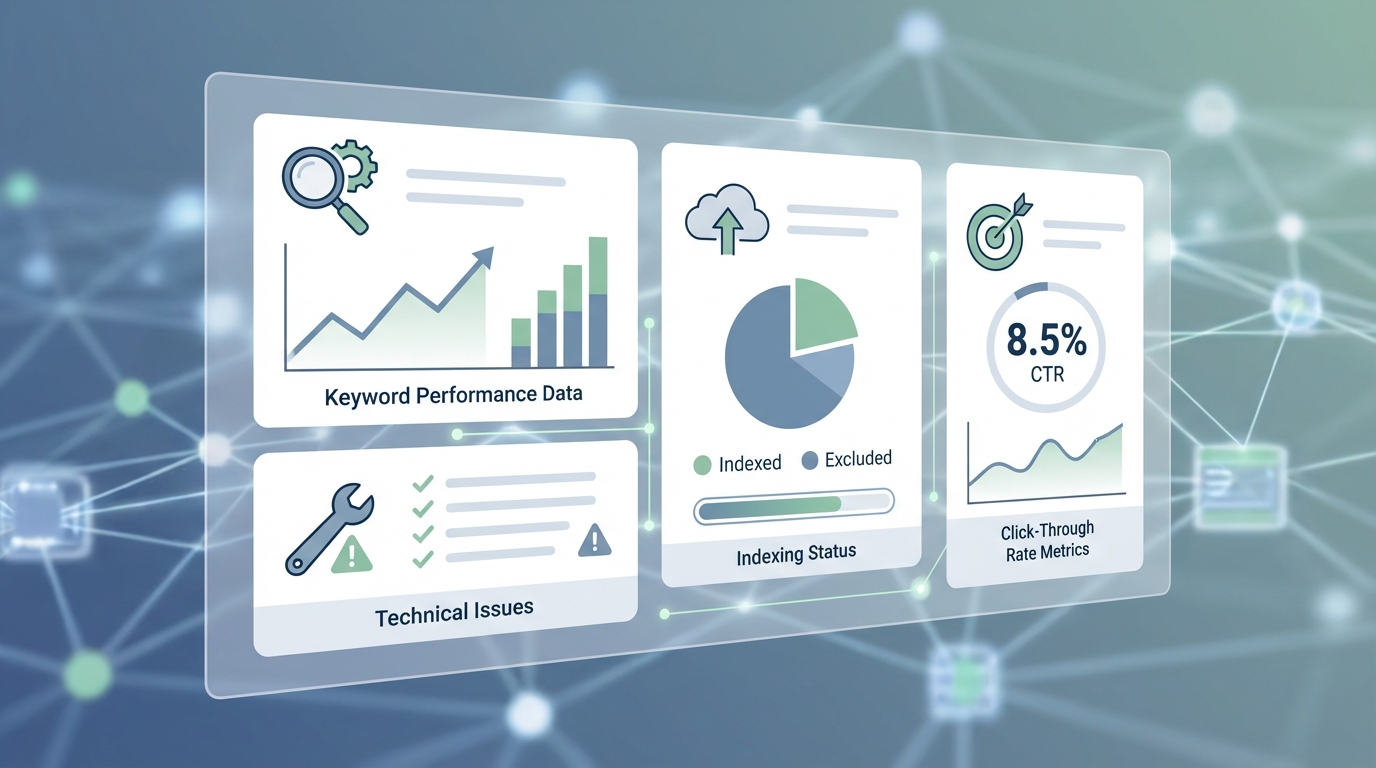
Google Search Console webmaster tools provide essential data for search engine marketing by showing how your website performs in Google search results. It reveals which keywords drive traffic, identifies technical issues affecting rankings, monitors indexing status, and tracks click-through rates. These insights help optimize SEO strategies, fix crawl errors, submit sitemaps, and understand user search behavior. It's a free, indispensable tool for monitoring and improving your organic search performance effectively.
What are the best SEO marketing tools for search engine optimization?
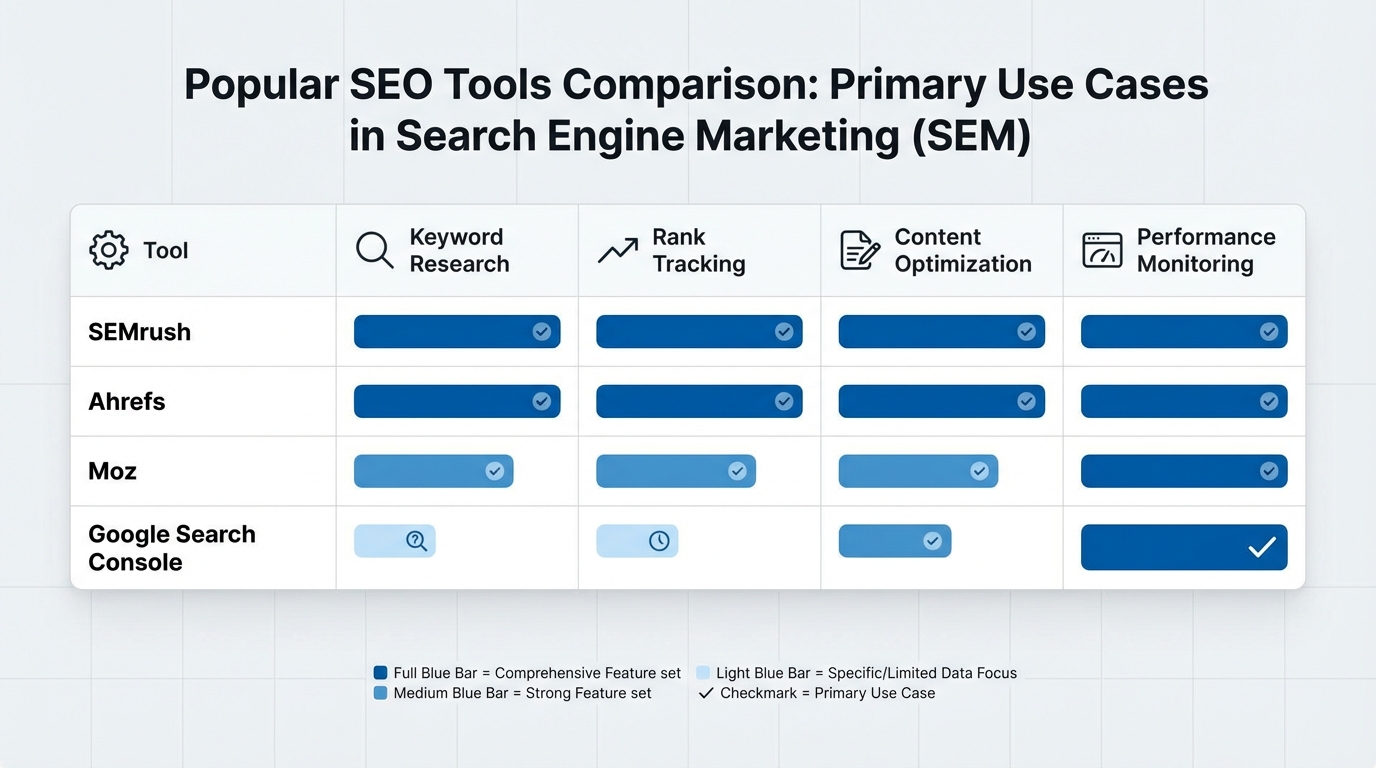
The best SEO marketing tools include keyword research platforms, rank trackers, and content optimization software. Popular options include SEMrush, Ahrefs, and Moz for comprehensive analysis, Google Search Console for performance monitoring, and AI-powered SEO automation tools for streamlining workflows. Page traffic checkers and website traffic checkers help monitor results, while tools offering automated keyword research and content creation accelerate optimization efforts. Choose tools that align with your budget and specific optimization needs.
How do website traffic checkers improve search engine marketing performance?
Website traffic checkers and page traffic checkers provide crucial metrics for measuring search engine marketing effectiveness. They reveal visitor sources, user behavior, bounce rates, and conversion paths, helping identify which SEO and PPC strategies work best. By analyzing traffic patterns, you can optimize underperforming pages, identify high-value keywords, and allocate marketing budgets more effectively. Regular traffic monitoring enables data-driven decisions that improve ROI and refine your overall search marketing strategy.
What do SEO optimization services include for search engine marketing?
SEO optimization services typically include comprehensive keyword research, on-page content optimization, technical SEO audits, link building strategies, and performance monitoring. Professional services analyze your website using webmaster tools, optimize meta tags and site structure, improve page speed, and create SEO-friendly content. Many modern SEO optimization services now incorporate AI-powered automation for faster results, helping businesses scale their organic traffic growth while maintaining quality and relevance in search rankings.
How can AI-powered SEO tools automate search engine marketing tasks?
AI-powered SEO tools automate time-consuming search engine marketing tasks like keyword research, content creation, and competitive analysis. They use machine learning to identify high-intent keywords, generate optimized content, analyze SERP patterns, and suggest improvements. These automation tools help founders and marketers scale their SEO efforts efficiently, reducing manual work while maintaining quality. By automating repetitive tasks, businesses can focus on strategy while achieving faster rankings and consistent organic traffic growth.
Understanding Search Engine Marketing: Your Complete Guide to Digital Visibility
Search engine marketing (SEM) has become the cornerstone of digital success for businesses of all sizes. Whether you're a startup founder or an established enterprise, understanding how to leverage search engines to drive traffic and conversions is essential. In today's competitive landscape, mastering both paid and organic search strategies can mean the difference between obscurity and market dominance. 🚀
This comprehensive guide will walk you through everything you need to know about search engine marketing, from fundamental concepts to advanced strategies that deliver real results. We'll explore how SEM integrates with seo search optimization, seo engine optimization, and the powerful tools that make it all possible.
The digital marketplace has evolved dramatically, and businesses that fail to adapt their search marketing strategies risk falling behind. With billions of searches happening daily, your potential customers are actively looking for solutions—and SEM ensures they find you first.
What is Search Engine Marketing? SEO Full Form and Core Concepts
Search engine marketing encompasses all marketing efforts designed to increase visibility in search engine results pages (SERPs). This includes both paid advertising (PPC) and organic optimization strategies. The seo full form—Search Engine Optimization—represents the organic component of this broader marketing discipline.
At its core, SEM combines two powerful approaches:
- Paid Search Advertising: Using platforms like Google Ads to display sponsored results at the top of search pages
- Organic Search Optimization: Implementing seo engine optimization techniques to rank naturally in search results
- Content Marketing: Creating valuable content that attracts and engages your target audience
- Technical Optimization: Ensuring your website meets search engine requirements for crawling and indexing
The beauty of SEM lies in its measurability and targeting precision. Unlike traditional advertising, you can track every click, conversion, and dollar spent with remarkable accuracy using tools like webmaster tools google search console and various page traffic checker solutions.
The Evolution of Search Marketing
Search engine marketing has transformed from simple keyword matching to sophisticated intent-based targeting. Modern SEM strategies leverage artificial intelligence, machine learning, and behavioral data to deliver increasingly personalized experiences.
Today's successful marketers use advanced search intent analysis tools to understand not just what users search for, but why they search. This deeper understanding enables more effective targeting and higher conversion rates.
Essential SEM Components: Paid vs. Organic Strategies
Understanding the relationship between paid and organic search is crucial for developing a comprehensive search engine marketing strategy. Both approaches have distinct advantages and work synergistically when properly integrated. 💡
| Aspect | Paid Search (PPC) | Organic Search (SEO) |
|---|---|---|
| Time to Results | Immediate visibility | 3-6 months typically |
| Cost Structure | Pay per click | Time and resource investment |
| Longevity | Stops when budget ends | Long-term sustainable traffic |
| Click-Through Rate | Lower (paid indicator) | Higher (trust factor) |
| Targeting Precision | Highly specific | Broader keyword targeting |
Leveraging Paid Search Advertising
Paid search campaigns provide immediate visibility and precise targeting capabilities. When executed correctly, PPC advertising delivers measurable ROI and valuable market insights that inform broader marketing strategies.
Key elements of successful paid search campaigns include:
- Keyword Research: Identifying high-intent search terms that indicate purchase readiness
- Ad Copy Optimization: Creating compelling messages that drive clicks and conversions
- Landing Page Alignment: Ensuring post-click experiences match user expectations
- Bid Management: Optimizing spend across keywords and ad groups
- Quality Score Improvement: Enhancing ad relevance to reduce costs and improve positions
Building Organic Search Visibility
Organic search optimization through seo search optimization provides sustainable, long-term traffic growth. While results take longer to materialize, the compound benefits make SEO one of the highest-ROI marketing channels available.
Effective organic strategies leverage comprehensive AI search engine optimization tools to automate and scale content production while maintaining quality and relevance.
Critical SEM Tools: Webmaster Tools Google Search Console and Beyond
Success in search engine marketing requires the right technology stack. From tracking performance to identifying opportunities, modern seo marketing tools provide the insights needed to make data-driven decisions. 📊
Google Search Console: Your Foundation
The webmaster tools google search console remains the most essential free tool for any SEM professional. This platform provides direct insights from Google about your website's search performance, technical issues, and optimization opportunities.
Key features include:
- Performance Reports: Track impressions, clicks, CTR, and average position for every query
- Coverage Analysis: Identify indexing issues preventing pages from appearing in search
- Mobile Usability: Ensure your site provides excellent mobile experiences
- Core Web Vitals: Monitor page experience metrics that impact rankings
- Security Issues: Receive alerts about malware or hacking attempts
Advanced Website Traffic Checker Solutions
Beyond Google's native tools, sophisticated website traffic checker and page traffic checker platforms provide competitive intelligence and market insights. These tools help you understand not just your own performance, but how you stack up against competitors.
Modern analytics platforms integrate with AI-powered SEO automation tools to provide predictive insights and actionable recommendations. This integration enables faster decision-making and more efficient resource allocation.
Essential SEM Marketing Tools
A comprehensive SEM toolkit includes specialized solutions for different aspects of search marketing:
| Tool Category | Primary Function | Key Benefits |
|---|---|---|
| Keyword Research | Identify search opportunities | Discover high-value targets |
| Rank Tracking | Monitor SERP positions | Measure progress over time |
| Content Optimization | Improve on-page elements | Increase relevance and rankings |
| Link Analysis | Evaluate backlink profiles | Build authority and trust |
| Technical SEO | Audit site health | Fix crawling and indexing issues |
For businesses seeking to streamline their workflow, platforms like comprehensive SEO automation tools consolidate multiple functions into unified solutions, reducing complexity and improving efficiency.
SEO Optimization Services: Building Your Strategy
Whether you handle search marketing in-house or partner with seo optimization services providers, understanding strategic fundamentals ensures better outcomes. Professional seo optimization service offerings typically encompass multiple specialized disciplines. 🎯
Comprehensive SEO Service Components
Professional seo optimization services deliver value across several interconnected areas:
- Technical SEO Audits: Identifying and resolving structural issues that prevent optimal performance
- Keyword Strategy Development: Using tools like the long-tail keyword generator to find opportunities
- Content Creation and Optimization: Producing high-quality content that ranks and converts
- Link Building Campaigns: Earning authoritative backlinks that boost domain authority
- Local SEO Implementation: Optimizing for geographic-specific searches
- Conversion Rate Optimization: Improving the percentage of visitors who take desired actions
Choosing the Right SEO Optimization Service
Selecting the appropriate seo optimization service provider requires careful evaluation. Consider these critical factors when making your decision:
- Proven Track Record: Request case studies and verifiable results from similar businesses
- Transparent Methodology: Understand exactly what tactics and strategies they employ
- Reporting Capabilities: Ensure comprehensive tracking using website traffic checker tools
- Scalability: Choose partners who can grow with your business needs
- Industry Expertise: Look for experience in your specific market or niche
For enterprise-level needs, specialized providers like those featured in guides to the best enterprise SEO companies offer sophisticated solutions designed for large-scale operations.
In-House vs. Agency SEO Optimization Services
The decision between building internal capabilities versus outsourcing to professional seo optimization services depends on multiple factors including budget, timeline, and strategic priorities.
In-house teams provide greater control and institutional knowledge but require significant investment in talent and technology. Agency partnerships offer immediate expertise and diverse experience but may lack deep product or industry understanding.
Many successful businesses adopt hybrid models, maintaining strategic oversight internally while leveraging specialized agencies for execution and technical implementation.
Advanced SEM Marketing Tools and Automation
The landscape of seo marketing tools has evolved dramatically with artificial intelligence and machine learning capabilities. Modern platforms automate time-consuming tasks while providing strategic insights that were previously impossible to obtain. 🤖
AI-Powered Content Creation
Artificial intelligence has revolutionized content production for search engine marketing. Advanced platforms now generate optimized content at scale while maintaining quality and relevance standards.
Key capabilities of modern AI content tools include:
- Intent-Based Content Generation: Creating articles that match specific search intents
- Automated Meta Tag Creation: Using tools like the meta description generator for optimization
- Title Optimization: Leveraging SEO title generators for compelling headlines
- Content Gap Analysis: Identifying missing topics in your content strategy
- Semantic Keyword Integration: Naturally incorporating related terms and phrases
Competitive Intelligence Tools
Understanding your competitive landscape is essential for effective search engine marketing. Modern seo marketing tools provide comprehensive insights into competitor strategies, helping you identify opportunities and threats.
Learn how to effectively find competitor sites and analyze their search strategies to inform your own approach. This competitive intelligence enables more strategic resource allocation and faster market response.
Performance Tracking and Attribution
Sophisticated page traffic checker and website traffic checker solutions provide multi-dimensional performance analysis. These platforms track not just volume metrics but also quality indicators like engagement, conversion paths, and revenue attribution.
| Metric Category | Key Indicators | Strategic Value |
|---|---|---|
| Visibility Metrics | Impressions, Rankings, Share of Voice | Measure market presence |
| Engagement Metrics | CTR, Bounce Rate, Time on Site | Assess content relevance |
| Conversion Metrics | Conversion Rate, Goal Completions | Track business impact |
| Revenue Metrics | Revenue per Visit, ROAS | Measure financial performance |
Advanced attribution modeling helps you understand which touchpoints contribute most to conversions, enabling smarter budget allocation across channels and campaigns.
Implementing Local and Geographic SEM Strategies
For businesses serving specific geographic markets, local search engine marketing requires specialized approaches. Local SEM combines traditional optimization with location-specific tactics to capture high-intent local searches. 📍
Local SEO Fundamentals
Local search optimization focuses on appearing in geographically-relevant searches and map results. This includes optimizing Google Business Profile listings, building local citations, and creating location-specific content.
Essential local SEO elements include:
- Google Business Profile Optimization: Complete, accurate business information with regular updates
- Local Citation Building: Consistent NAP (Name, Address, Phone) across directories
- Review Generation and Management: Encouraging and responding to customer reviews
- Location Pages: Creating dedicated pages for each service area
- Local Link Building: Earning backlinks from local organizations and publications
Specialized local SEO audit tools help identify optimization opportunities and track performance against local competitors.
Multi-Location SEO Strategies
Businesses with multiple locations face unique challenges in search engine marketing. Each location requires individual optimization while maintaining brand consistency across all properties.
Effective multi-location strategies involve creating unique, valuable content for each location while leveraging corporate-level authority. This balanced approach prevents duplicate content issues while maximizing local visibility.
Content Strategy for Search Engine Marketing Success
Content remains the foundation of effective search engine marketing. Strategic content creation that aligns with user intent and search behavior drives sustainable organic growth and supports paid campaigns. ✍️
Intent-Based Content Development
Modern content strategies prioritize search intent over simple keyword matching. Understanding whether users seek information, comparison, or transaction opportunities enables more targeted content creation.
The four primary search intent categories include:
- Informational Intent: Users seeking knowledge or answers to questions
- Navigational Intent: Users looking for specific websites or brands
- Commercial Intent: Users researching products or services before purchase
- Transactional Intent: Users ready to complete a purchase or conversion
Tools like the search intent analyzer help categorize keywords and guide content development strategies that match user needs at each stage of the buyer journey.
Content Optimization Best Practices
Creating content is only half the battle—optimization ensures search engines understand and properly rank your content. Effective seo search optimization involves multiple on-page elements working in harmony.
Critical optimization elements include:
- Strategic Keyword Placement: Incorporating primary and related terms naturally throughout content
- Compelling Headlines: Using attention-grabbing titles that include target keywords
- Structured Data Markup: Implementing schema to enhance SERP appearance
- Internal Linking: Connecting related content to distribute authority and improve navigation
- Media Optimization: Compressing images and videos for fast loading while maintaining quality
- Mobile Responsiveness: Ensuring excellent experiences across all devices
Content Scaling and Automation
Producing sufficient content to compete in today's search landscape requires efficiency and scale. Modern automation platforms enable businesses to create optimized content faster without sacrificing quality.
AI-powered solutions analyze top-ranking content, identify gaps, and generate comprehensive articles that address user needs. This technology democratizes content creation, allowing smaller teams to compete with larger organizations.
Explore how AI search engine optimization tools are transforming content production and enabling unprecedented scale in organic marketing efforts.
Technical SEO: The Foundation of Search Visibility
While content attracts users, technical seo engine optimization ensures search engines can properly crawl, index, and rank your website. Technical excellence provides the foundation upon which all other optimization efforts build. ⚙️
Core Technical SEO Elements
Technical optimization addresses the infrastructure and architecture that enable search engine access and understanding. Key technical factors include:
- Site Speed Optimization: Minimizing load times through compression, caching, and efficient code
- Mobile-First Design: Ensuring primary experiences are optimized for mobile devices
- XML Sitemap Management: Providing search engines with comprehensive site structure maps
- Robots.txt Configuration: Controlling which pages search engines can access
- HTTPS Implementation: Securing connections with SSL certificates
- Structured Data Markup: Adding schema to enhance search result displays
Monitoring Technical Health with Webmaster Tools
Regular monitoring using webmaster tools google search console helps identify and resolve technical issues before they impact rankings. The platform provides alerts about crawling errors, security issues, and mobile usability problems.
Establishing a regular audit schedule ensures technical problems are caught and addressed quickly. Most successful websites conduct comprehensive technical audits quarterly, with continuous monitoring for critical issues.
Core Web Vitals and Page Experience
Google's Core Web Vitals have become critical ranking factors, measuring real-world user experience through specific metrics:
| Metric | Measures | Good Score |
|---|---|---|
| Largest Contentful Paint (LCP) | Loading performance | Under 2.5 seconds |
| First Input Delay (FID) | Interactivity | Under 100 milliseconds |
| Cumulative Layout Shift (CLS) | Visual stability | Under 0.1 |
Optimizing these metrics requires technical expertise but delivers measurable improvements in both rankings and user satisfaction. Using comprehensive page traffic checker tools helps correlate technical improvements with traffic and engagement increases.
Measuring and Forecasting SEM Performance
Data-driven decision making separates successful search engine marketing campaigns from wasted efforts. Comprehensive measurement frameworks track performance across multiple dimensions while predictive analytics inform future strategy. 📈
Essential SEM Metrics and KPIs
Effective measurement requires tracking both leading and lagging indicators. Leading indicators predict future performance, while lagging indicators measure past results.
Critical metrics to monitor include:
- Organic Traffic Volume: Total visitors from unpaid search results
- Keyword Rankings: Positions for target search terms
- Click-Through Rate (CTR): Percentage of impressions that generate clicks
- Conversion Rate: Percentage of visitors who complete desired actions
- Cost Per Acquisition (CPA): Average cost to acquire a customer
- Return on Ad Spend (ROAS): Revenue generated per dollar spent on advertising
- Domain Authority: Overall site strength and ranking potential
Traffic Forecasting and Projections
Predictive analytics enable more accurate planning and resource allocation. Understanding how to effectively forecast search traffic helps set realistic expectations and identify growth opportunities.
Learn advanced techniques for forecasting SEO traffic to improve planning accuracy and demonstrate the potential value of optimization investments to stakeholders.
Sophisticated forecasting models consider multiple variables including seasonal trends, competitive dynamics, algorithm updates, and historical performance patterns.
Attribution and Multi-Channel Analysis
Search engine marketing rarely works in isolation. Understanding how SEM interacts with other channels provides crucial insights for optimization and budget allocation.
Multi-touch attribution models reveal the complete customer journey, showing how paid search, organic search, social media, email, and other channels work together to drive conversions.
Staying Current: SEO Trends and Algorithm Updates
Search engine algorithms evolve constantly, requiring marketers to stay informed about changes and adapt strategies accordingly. Understanding emerging trends helps future-proof your search engine marketing investments. 🔮
Major Algorithm Update Categories
Google and other search engines release hundreds of updates annually. While most are minor, major updates can significantly impact rankings and require strategic adjustments.
Key update types include:
- Core Algorithm Updates: Broad changes affecting overall ranking systems
- Spam Updates: Targeting manipulative tactics and low-quality content
- Page Experience Updates: Emphasizing user experience factors
- Helpful Content Updates: Rewarding genuinely valuable, user-focused content
- Product Review Updates: Raising standards for review and comparison content
Emerging SEM Trends
Several significant trends are reshaping search engine marketing strategies:
- AI-Generated Content: Increasing use of artificial intelligence for content creation and optimization
- Voice Search Optimization: Adapting for conversational queries from voice assistants
- Visual Search: Optimizing images and videos for search discovery
- E-A-T Emphasis: Growing importance of Expertise, Authoritativeness, and Trustworthiness
- Zero-Click Searches: Adapting to searches answered directly in SERPs
- Privacy-First Tracking: Adjusting measurement strategies for cookie deprecation
Adapting to Google's Search Generative Experience
Google's integration of AI-generated answers directly into search results represents a fundamental shift in search behavior. Understanding how to optimize for these new formats ensures continued visibility as search evolves.
Strategies for SGE optimization include creating comprehensive, authoritative content that AI systems can confidently cite, implementing structured data that facilitates information extraction, and building strong brand recognition that increases citation likelihood.
Building an Integrated SEM Strategy
Maximum search engine marketing effectiveness comes from integrating paid and organic strategies into a cohesive approach. This integration creates synergies that amplify results beyond what either channel achieves independently. 🎯
Synergies Between Paid and Organic Search
Paid and organic search inform and strengthen each other in multiple ways:
- Keyword Intelligence: PPC data reveals high-converting terms to target organically
- SERP Dominance: Appearing in both paid and organic results increases total visibility
- Testing and Validation: Quickly test messaging and offers with PPC before committing to long-term SEO
- Remarketing Opportunities: Retarget organic visitors with paid campaigns
- Competitive Defense: Protect brand terms with paid ads while building organic strength
Developing Your SEM Roadmap
Successful search engine marketing requires strategic planning and phased implementation. A comprehensive roadmap ensures resources are allocated effectively and progress is measurable.
Key roadmap components include:
- Audit and Baseline: Assess current performance using website traffic checker tools
- Competitive Analysis: Understand the competitive landscape and opportunity gaps
- Goal Setting: Establish specific, measurable objectives aligned with business outcomes
- Strategy Development: Create integrated paid and organic strategies
- Implementation Planning: Prioritize initiatives based on impact and effort
- Measurement Framework: Define KPIs and reporting cadence
- Continuous Optimization: Establish processes for ongoing testing and refinement
Resource Allocation and Team Structure
Effective SEM requires diverse skills including technical expertise, content creation, data analysis, and strategic planning. Building the right team—whether internal, agency-based, or hybrid—ensures all necessary capabilities are available.
Consider working with specialized providers like the best SEO agencies or comprehensive online marketing companies that can provide full-spectrum capabilities.
Common SEM Mistakes and How to Avoid Them
Even experienced marketers make costly mistakes in search engine marketing. Understanding common pitfalls helps you avoid wasted resources and accelerate results. ⚠️
Technical SEO Mistakes
Technical errors can completely undermine even the best content and link building efforts:
- Blocking Search Engines: Accidentally preventing crawling with robots.txt or noindex tags
- Slow Site Speed: Failing to optimize load times, particularly on mobile devices
- Broken Internal Links: Creating poor user experiences and wasting crawl budget
- Duplicate Content: Confusing search engines with multiple versions of similar content
- Poor Mobile Experience: Neglecting mobile optimization in a mobile-first index
Regular monitoring with webmaster tools google search console helps catch these issues before they cause significant damage.
Content and Strategy Mistakes
Strategic missteps waste resources and delay results:
- Keyword Stuffing: Over-optimizing content with unnatural keyword density
- Ignoring Search Intent: Creating content that doesn't match what users actually want
- Neglecting Long-Tail Keywords: Focusing only on high-volume competitive terms
- Inconsistent Publishing: Failing to maintain regular content production schedules
- Poor Internal Linking: Missing opportunities to distribute authority and improve navigation
Measurement and Attribution Mistakes
Inaccurate measurement leads to poor decision-making:
- Vanity Metrics Focus: Prioritizing traffic volume over quality and conversions
- Last-Click Attribution: Undervaluing upper-funnel touchpoints in the customer journey
- Insufficient Testing: Making changes without proper A/B testing validation
- Ignoring Seasonality: Failing to account for cyclical patterns in performance analysis
The Future of Search Engine Marketing
Search engine marketing continues evolving rapidly with technological advancement and changing user behaviors. Understanding emerging trends helps you prepare for future opportunities and challenges. 🚀
Artificial Intelligence and Automation
AI is fundamentally transforming search engine marketing, from content creation to bid management to user experience personalization. Marketers who effectively leverage AI gain significant competitive advantages.
Future AI applications in SEM include:
- Predictive Content Optimization: AI systems that automatically adjust content for maximum performance
- Automated Technical SEO: Self-healing websites that fix technical issues automatically
- Hyper-Personalization: Dynamic content that adapts to individual user preferences
- Advanced Forecasting: More accurate predictions of ranking potential and traffic outcomes
- Natural Language Generation: AI creating high-quality content at unprecedented scale
Platforms like IntentRank are pioneering these AI-powered approaches, making sophisticated optimization accessible to businesses of all sizes.
Privacy and Tracking Evolution
Cookie deprecation and privacy regulations are reshaping how marketers track and attribute search performance. Adapting measurement strategies for a privacy-first world is essential for continued effectiveness.
Future measurement approaches will rely more heavily on first-party data, contextual targeting, and privacy-preserving technologies like Google's Privacy Sandbox initiatives.
Multimodal Search Experiences
Search is expanding beyond text to include voice, visual, and video queries. Optimizing for these diverse search modalities requires new strategies and content formats.
Successful future SEM strategies will create content optimized for multiple search types, ensuring visibility regardless of how users choose to search.
Take Your Search Engine Marketing to the Next Level
Search engine marketing success requires the right combination of strategy, execution, and technology. Whether you're just beginning your SEM journey or looking to scale existing efforts, the principles outlined in this guide provide a foundation for sustainable growth. 💪
The complexity of modern search marketing can feel overwhelming, but you don't have to navigate it alone. Advanced platforms now automate many time-consuming tasks while providing strategic insights that accelerate results.
Key takeaways for SEM success include:
- Integrate paid and organic strategies for maximum impact
- Leverage AI-powered tools to scale content production efficiently
- Monitor performance continuously using comprehensive analytics
- Stay current with algorithm updates and emerging trends
- Focus on user intent rather than just keywords
- Build technical excellence as the foundation for all optimization efforts
- Test, measure, and optimize continuously based on data
The search landscape will continue evolving, but businesses that commit to strategic, data-driven search engine marketing will consistently outperform competitors and capture growing market share.
Ready to transform your search marketing results? Visit IntentRank to discover how AI-powered SEO automation can help you grow organic traffic faster, automate keyword research and content creation, and rank higher with less manual effort. Our intent-based approach ensures your content matches exactly what users are searching for, delivering the visibility and conversions your business needs to thrive. 🎯
Don't let competitors dominate the search results while you struggle with manual optimization. Explore our free search intent analyzer and other powerful tools to start improving your search performance today. For more insights on maximizing your digital marketing effectiveness, check out our comprehensive SEO blog featuring the latest strategies and tactics.
Article created using IntentRank


