How to Check Traffic of Any Website: 7 Free Tools + Methods

TL;DR: You can check the traffic of any website using tools like Google Analytics for your own sites, or third-party platforms like Similarweb, Semrush, and Ahrefs for competitor analysis. These tools provide insights into visitor numbers, traffic sources, geographic data, and engagement metrics to help optimize your SEO strategy and content performance.
Frequently Asked Questions
How can I check the traffic of any website?
You can check website traffic using tools like Google Analytics for your own sites, or third-party website traffic checkers like SEMrush, Ahrefs, SimilarWeb, and Ubersuggest for competitor analysis. Google Search Console (formerly Webmaster Tools) provides detailed traffic data for sites you own. These page traffic checker tools reveal visitor numbers, traffic sources, user behavior, and keyword rankings to help you understand website performance.
What is the best free website traffic checker tool?
The best free website traffic checker is Google Search Console for your own websites, providing accurate data on search traffic, keywords, and performance. For checking competitor traffic, SimilarWeb offers limited free data on traffic estimates and sources. Ubersuggest provides free daily searches for traffic analysis. Google Analytics remains the gold standard for comprehensive, free traffic monitoring of websites you own and manage.
What does SEO full form mean and how does it relate to website traffic?
SEO full form is Search Engine Optimization. It's the practice of optimizing websites to rank higher in search engine results, directly impacting organic website traffic. Effective SEO engine optimization includes keyword research, content creation, technical improvements, and link building. By implementing SEO optimization services and using SEO marketing tools, websites can increase visibility, attract more visitors, and grow organic traffic sustainably without paid advertising.
How does Google Search Console help monitor website traffic?
Google Search Console (previously called Webmaster Tools) helps monitor website traffic by showing exactly how your site performs in Google search results. It displays total clicks, impressions, average position, and click-through rates for specific keywords. The tool identifies technical issues affecting traffic, shows which pages receive the most visits, reveals search queries driving traffic, and provides insights for SEO search optimization improvements.
What are the main sources of traffic for any website?
The main traffic sources for any website include organic search (visitors from search engines through SEO), direct traffic (users typing your URL), referral traffic (clicks from other websites), social media traffic (visitors from social platforms), paid search (ads through search engine marketing), and email marketing. Website traffic checkers categorize these sources to help you understand which channels drive the most visitors and optimize your marketing strategy accordingly.
Can SEO automation tools help increase website traffic?
Yes, SEO automation tools significantly help increase website traffic by streamlining time-consuming tasks like keyword research, content optimization, and technical SEO audits. AI-powered SEO tools automate content creation, identify ranking opportunities, monitor competitors, and provide data-driven recommendations. These SEO marketing tools help founders and marketers scale their SEO optimization services efficiently, rank faster in search results, and grow organic traffic without manual effort for every task.
How long does it take to see traffic growth from SEO optimization?
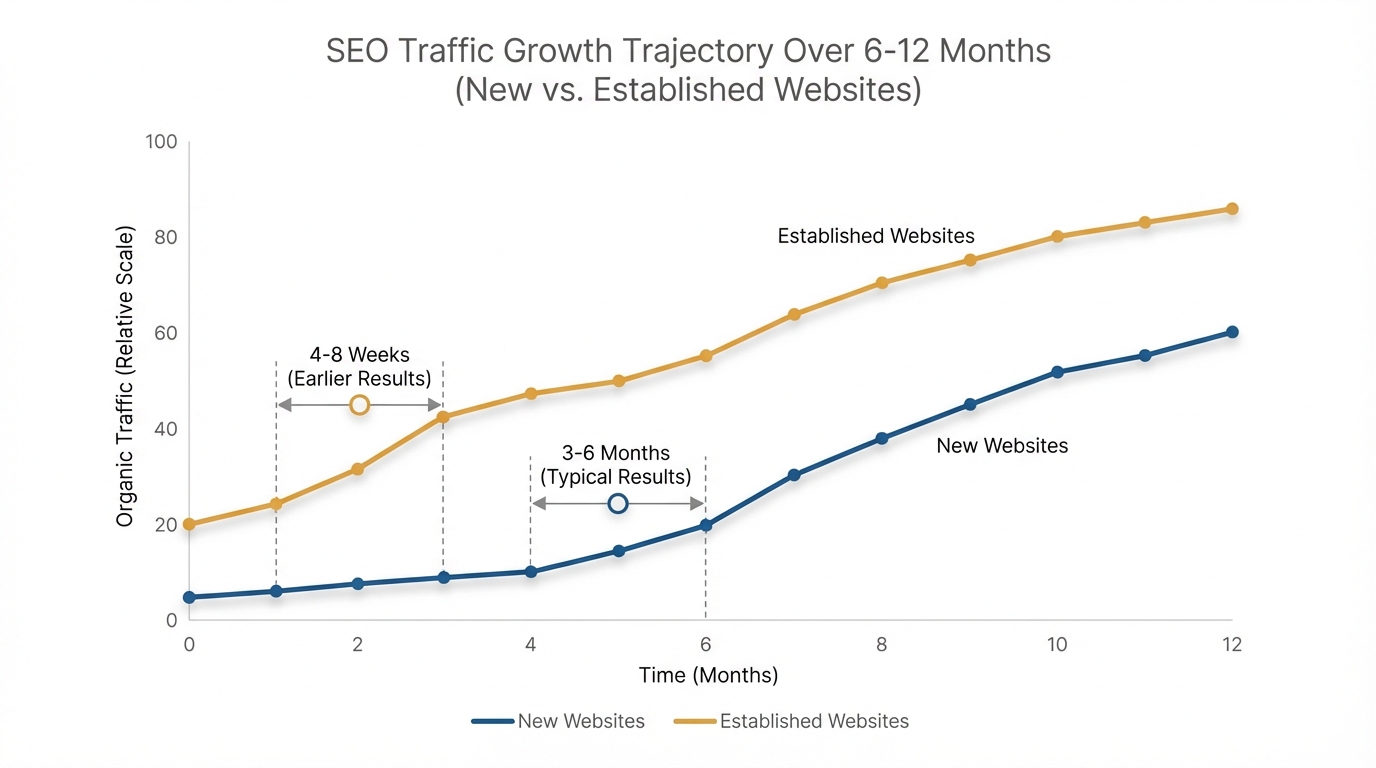
SEO optimization typically takes 3-6 months to show significant traffic growth, though results vary based on competition, domain authority, and content quality. New websites may take longer, while established sites with good SEO optimization service implementation can see improvements within 4-8 weeks. Consistent content creation, technical SEO fixes, and link building accelerate results. Using page traffic checkers regularly helps monitor progress and adjust strategies for faster ranking improvements.
What's the difference between SEO and search engine marketing for driving traffic?
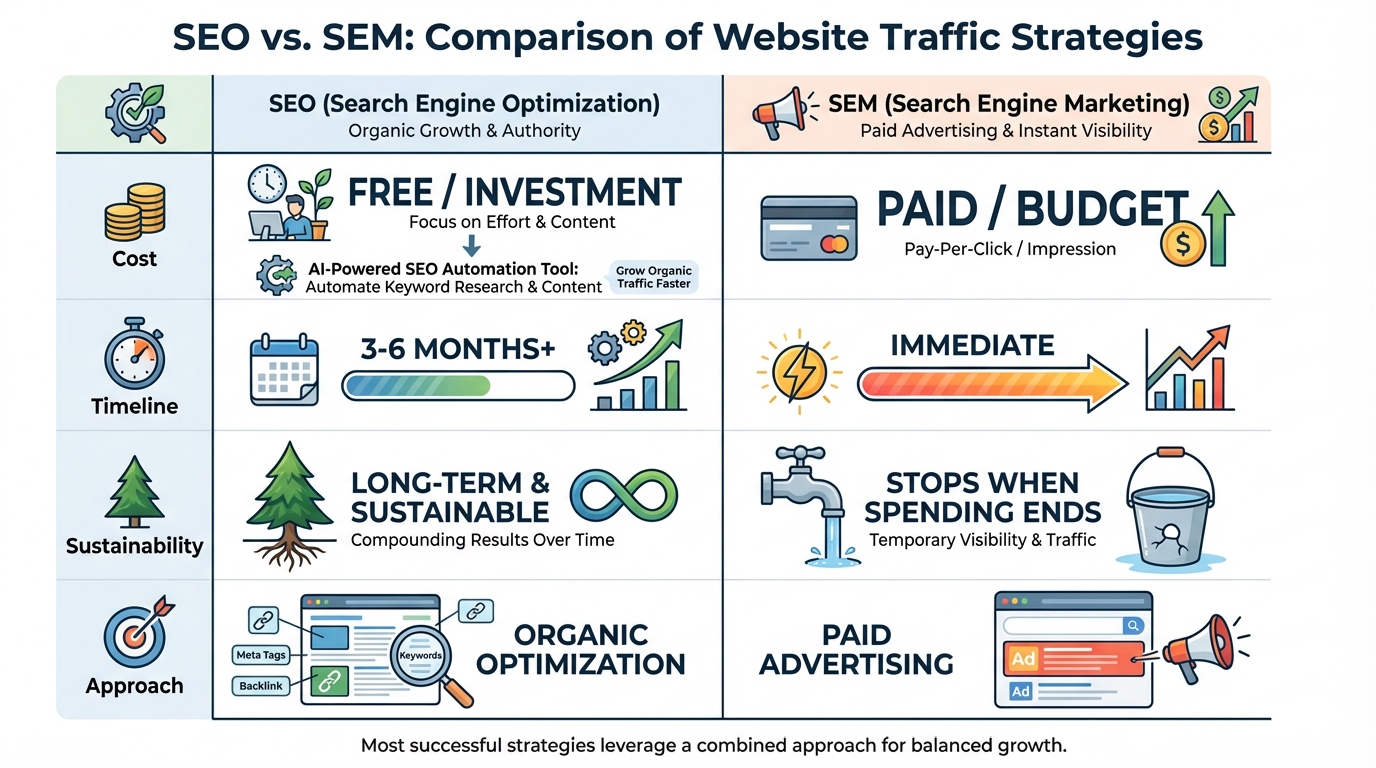
SEO (Search Engine Optimization) focuses on organic traffic through unpaid search rankings by optimizing content, technical elements, and building authority over time. Search engine marketing (SEM) includes paid advertising like Google Ads for immediate traffic alongside SEO efforts. SEO provides sustainable, long-term traffic growth but requires patience, while SEM delivers instant visibility but stops when ad spend ends. Most successful strategies combine both approaches using SEO optimization services and paid campaigns.
Understanding the Traffic of Any Website: Your Complete Guide
Understanding the traffic of any website is fundamental to succeeding in today's digital landscape. Whether you're analyzing competitor performance, evaluating potential partnerships, or tracking your own growth, website traffic data provides the insights you need to make informed decisions. This comprehensive guide will walk you through everything you need to know about analyzing website traffic, from basic concepts to advanced tools and techniques. 📊
Website traffic analysis isn't just about numbers—it's about understanding user behavior, identifying opportunities, and optimizing your digital strategy. With the right approach and tools, you can unlock valuable insights that drive real business results.
In this guide, we'll explore the essential tools, methods, and strategies for analyzing website traffic effectively. You'll learn how to use professional analytics platforms, leverage SEO search optimization techniques, and implement data-driven strategies that actually work.
What Is Website Traffic and Why Does It Matter? 🎯
Website traffic refers to the number of visitors who land on a website and interact with its pages. It's measured through various metrics including page views, unique visitors, session duration, and bounce rate. Understanding these metrics is crucial for anyone involved in SEO engine optimization and digital marketing.
Traffic analysis matters because it directly correlates with business success. More qualified traffic typically means more leads, conversions, and revenue. But quantity alone isn't enough—you need quality traffic that aligns with your business goals.
Key Traffic Metrics You Should Track
| Metric | Definition | Why It Matters |
|---|---|---|
| Unique Visitors | Number of distinct individuals visiting your site | Measures reach and audience size |
| Page Views | Total number of pages viewed | Indicates content engagement |
| Session Duration | Average time spent on site | Shows content quality and relevance |
| Bounce Rate | Percentage of single-page sessions | Reveals user experience issues |
| Traffic Sources | Where visitors come from | Guides marketing strategy |
These metrics form the foundation of effective traffic analysis. By monitoring them consistently, you can identify trends, spot problems early, and capitalize on opportunities before your competitors do.
Essential Tools for Checking Traffic of Any Website 🛠️
Analyzing website traffic requires the right tools. Whether you're checking your own site or researching competitors, several powerful platforms can provide the insights you need. Let's explore the most effective options available today.
Google Analytics and Search Console
Google Analytics remains the gold standard for tracking your own website's performance. It provides comprehensive data about visitor behavior, traffic sources, and conversion patterns. Combined with webmaster tools Google Search Console, you get a complete picture of your site's search performance.
Google Search Console specifically helps you understand how your site appears in search results, which queries drive traffic, and where technical SEO issues might be hindering performance. These free tools are essential for anyone serious about SEO optimization services.
Third-Party Website Traffic Checkers
For analyzing competitor traffic or getting estimates for websites you don't own, several website traffic checker tools are available. These platforms use various data sources to estimate traffic volumes and provide competitive intelligence.
- SimilarWeb - Offers comprehensive traffic estimates, audience demographics, and referral sources
- SEMrush - Provides traffic analytics alongside keyword research and competitive analysis
- Ahrefs - Combines traffic data with backlink analysis and content research
- Alexa - Delivers site rankings and traffic comparisons across industries
- Ubersuggest - Offers free traffic estimates and SEO metrics
Each page traffic checker has its strengths and limitations. Most use a combination of browser extensions, ISP data, and statistical modeling to estimate traffic volumes. While not 100% accurate, they provide valuable directional insights.
AI-Powered SEO Tools for Traffic Analysis
Modern SEO marketing tools leverage artificial intelligence to provide deeper insights and automate analysis. These platforms can identify patterns, predict trends, and recommend optimizations based on traffic data.
Tools like IntentRank use AI to automate keyword research, content creation, and SEO optimization, helping you grow organic traffic more efficiently. By understanding search intent and automating repetitive tasks, you can focus on strategy rather than manual analysis.
For comprehensive keyword research, consider using a long tail keyword generator to discover untapped opportunities that can drive targeted traffic to your site.
How to Analyze Traffic of Any Website: Step-by-Step Process 📈
Analyzing website traffic effectively requires a systematic approach. Follow this proven process to extract meaningful insights from traffic data and turn them into actionable strategies.
Step 1: Define Your Analysis Goals
Before diving into data, clarify what you want to learn. Are you benchmarking against competitors? Identifying content gaps? Evaluating partnership opportunities? Your goals determine which metrics matter most and how you interpret the data.
Common analysis objectives include:
- Understanding competitor traffic sources and strategies
- Identifying high-performing content topics and formats
- Discovering link building and referral opportunities
- Evaluating market size and audience potential
- Tracking your own performance against industry benchmarks
Step 2: Gather Traffic Data from Multiple Sources
Never rely on a single data source. Cross-reference information from multiple platforms to get a more accurate picture. Use Google Analytics for your own site, and combine several third-party tools for competitor analysis.
This multi-source approach helps compensate for individual tool limitations and provides more reliable insights. Look for consistent patterns across platforms rather than fixating on exact numbers.
Step 3: Analyze Traffic Sources and Channels
Understanding where traffic comes from is often more valuable than knowing total volume. Break down traffic by channel to identify strengths and opportunities:
| Traffic Channel | What It Reveals | Optimization Strategy |
|---|---|---|
| Organic Search | SEO effectiveness and content quality | Focus on keyword optimization and content creation |
| Direct Traffic | Brand awareness and loyalty | Strengthen brand marketing and user experience |
| Referral Traffic | Partnership and link building success | Develop strategic partnerships and content collaborations |
| Social Media | Social engagement and content virality | Optimize social strategy and content distribution |
| Paid Search | PPC campaign performance | Refine ad targeting and landing pages |
Step 4: Identify Top-Performing Content
Analyze which pages receive the most traffic and engagement. This reveals what resonates with your audience and where competitors are succeeding. Look for patterns in topics, formats, and content structures.
Use tools like search intent analyzer to understand why certain content performs well and how you can create similar high-performing assets.
Step 5: Monitor Trends and Changes Over Time
Traffic analysis is not a one-time activity. Monitor trends over weeks, months, and years to identify seasonal patterns, growth trajectories, and the impact of algorithm updates or market changes.
Set up regular reporting intervals and track key metrics consistently. This longitudinal data helps you spot emerging opportunities and potential problems before they become critical.
Advanced Techniques for Website Traffic Analysis 🚀
Once you've mastered the basics, these advanced techniques can provide deeper insights and competitive advantages in your SEO optimization service efforts.
Competitive Traffic Benchmarking
Compare your traffic metrics against direct competitors to understand your market position. Identify gaps where competitors outperform you and opportunities where you're already winning.
Use this benchmarking to set realistic growth targets and prioritize optimization efforts. If competitors receive significantly more traffic from specific channels, investigate their strategies and adapt successful tactics to your own approach.
Learn more about how to find competitor sites and analyze their strategies effectively.
Traffic Forecasting and Projection
Predictive analytics helps you anticipate future traffic based on historical patterns and planned initiatives. This is crucial for resource planning, budget allocation, and setting realistic growth expectations.
Consider factors like seasonality, algorithm updates, content publication schedules, and marketing campaigns when forecasting traffic. Tools and methodologies for forecasting SEO traffic can help you make more accurate predictions.
Audience Segmentation and Behavior Analysis
Not all traffic is created equal. Segment your audience by demographics, behavior, and acquisition channel to understand which visitors provide the most value. This enables personalized marketing and more efficient resource allocation.
Analyze metrics like:
- Conversion rates by traffic source
- Engagement patterns by device type
- Geographic distribution and localization opportunities
- New vs. returning visitor behavior
- User journey paths and conversion funnels
Technical SEO Impact on Traffic
Technical issues can significantly impact traffic volumes. Regular audits using webmaster tools Google Search Console help identify crawl errors, indexing problems, and performance issues that might be limiting your traffic potential.
Focus on critical technical factors:
- Page speed and Core Web Vitals scores
- Mobile-friendliness and responsive design
- XML sitemap accuracy and submission
- Robots.txt configuration and crawl budget optimization
- Structured data implementation and schema markup
SEO Strategies to Increase Website Traffic 📊
Understanding traffic is valuable, but growing it requires strategic action. These proven SEO search optimization strategies can help you attract more qualified visitors to your website.
Keyword Research and Optimization
Effective keyword research forms the foundation of traffic growth. Identify terms your target audience searches for and create content that satisfies their intent. Focus on a mix of high-volume competitive terms and long-tail keywords with lower competition.
The SEO full form is Search Engine Optimization, and it encompasses all activities designed to improve your visibility in search results. Keyword optimization is central to this effort.
Use tools like SEO title generator and meta description generator to create compelling, optimized metadata that improves click-through rates from search results.
Content Creation and Optimization
High-quality content attracts traffic and keeps visitors engaged. Develop comprehensive resources that thoroughly address user questions and provide genuine value. Content should be well-researched, properly formatted, and optimized for both users and search engines.
Content strategies that drive traffic include:
- In-depth guides and tutorials that establish authority
- Data-driven research and original studies that earn backlinks
- Regular blog posts targeting specific keywords and topics
- Visual content like infographics and videos that increase engagement
- Updated evergreen content that maintains relevance over time
Explore AI search engine optimization tools that can help you create optimized content more efficiently.
Link Building and Authority Development
Backlinks remain a crucial ranking factor. Develop a strategic link building program that earns high-quality links from authoritative websites in your industry. Focus on creating linkable assets and building genuine relationships.
Effective link building tactics include:
- Creating original research and data that others want to cite
- Guest posting on relevant industry publications
- Building relationships with journalists and content creators
- Participating in industry communities and forums
- Leveraging broken link building opportunities
Local SEO for Geographic Traffic
If you serve specific geographic areas, local SEO can drive highly qualified traffic. Optimize your Google Business Profile, build local citations, and create location-specific content that attracts nearby customers.
Use local SEO audit tools to identify optimization opportunities and track your performance in local search results.
Common Mistakes in Website Traffic Analysis ⚠️
Avoid these common pitfalls that can lead to misinterpretation of traffic data and misguided optimization efforts.
Focusing Only on Vanity Metrics
Total traffic volume looks impressive but doesn't tell the whole story. Focus on metrics that correlate with business outcomes like conversion rates, engagement depth, and revenue per visitor. A smaller amount of highly qualified traffic often outperforms large volumes of irrelevant visitors.
Ignoring Traffic Quality and Intent
Not all traffic serves your business goals equally. Analyze which traffic sources and keywords drive visitors who actually convert. Understanding Google SEO words and search intent helps you attract the right audience.
Making Decisions Based on Insufficient Data
Short-term fluctuations are normal. Avoid overreacting to daily or weekly changes. Collect sufficient data over meaningful time periods before making strategic decisions. Statistical significance matters more than individual data points.
Neglecting Mobile Traffic Analysis
Mobile devices account for the majority of web traffic in most industries. Separately analyze mobile performance and ensure your site provides excellent mobile experiences. Desktop-only optimization leaves significant traffic opportunities untapped.
Integrating Traffic Analysis with Overall Marketing Strategy 🎯
Website traffic analysis shouldn't exist in isolation. Integrate it with your broader marketing efforts for maximum impact and ROI.
Aligning Traffic Goals with Business Objectives
Connect traffic metrics to actual business outcomes. Define how traffic growth translates to leads, sales, or other key performance indicators. This alignment ensures your optimization efforts support overall business goals.
Consider working with specialists who understand this connection. Research enterprise SEO companies or SEO agencies that can provide strategic guidance aligned with your business objectives.
Cross-Channel Attribution and Tracking
Visitors often interact with multiple touchpoints before converting. Implement cross-channel attribution models that accurately credit different traffic sources for their role in the conversion journey. This prevents over-investing in last-click channels while undervaluing awareness-building activities.
Learn more about comprehensive digital strategies from resources on digital marketing trends and online marketing tools that complement your traffic analysis efforts.
Continuous Testing and Optimization
Use traffic data to inform A/B tests and optimization experiments. Test different headlines, calls-to-action, page layouts, and content formats to identify what drives better results. Implement a culture of continuous improvement based on data-driven insights.
Document your findings and build an optimization playbook that captures successful strategies and lessons learned. This institutional knowledge becomes increasingly valuable over time.
The Future of Website Traffic Analysis 🔮
Traffic analysis continues to evolve with new technologies and changing user behaviors. Stay ahead of these emerging trends to maintain your competitive advantage.
AI and Machine Learning in Traffic Analysis
Artificial intelligence is transforming how we analyze and act on traffic data. Machine learning algorithms can identify patterns humans might miss, predict future trends with greater accuracy, and automate optimization recommendations.
AI-powered platforms can process vast amounts of data quickly, providing real-time insights and automated responses to traffic changes. This enables more agile marketing strategies and faster optimization cycles.
Privacy-First Analytics
Growing privacy concerns and regulations are changing how we collect and analyze traffic data. Prepare for a cookieless future by implementing first-party data strategies and privacy-compliant analytics solutions.
Focus on building direct relationships with your audience that enable data collection with explicit consent. This approach not only ensures compliance but also builds trust with your visitors.
Voice Search and Zero-Click Results
Voice search and featured snippets are changing traffic patterns. More queries are answered directly in search results without users clicking through to websites. Adapt your strategy to capture visibility even when traditional click-through traffic decreases.
Optimize for featured snippets, knowledge panels, and other SERP features that maintain your brand presence even in zero-click scenarios. Focus on building authority that translates to brand recall and direct traffic.
Tools and Resources for Ongoing Traffic Analysis 💼
Equip yourself with the right resources to maintain effective traffic analysis as an ongoing practice rather than a one-time project.
Essential SEO Marketing Tools
Build a toolkit that covers all aspects of traffic analysis and optimization. While comprehensive platforms are valuable, specialized tools often provide deeper insights for specific needs.
Consider these tool categories:
- Analytics platforms for comprehensive traffic tracking
- Keyword research tools for identifying opportunities
- Rank tracking software for monitoring search visibility
- Technical SEO tools for identifying optimization issues
- Competitor analysis platforms for benchmarking performance
For businesses seeking to streamline their SEO efforts, explore cool SEO tools that automate repetitive tasks and provide actionable insights faster.
Educational Resources and Communities
Stay current with industry changes through continuous learning. Follow authoritative SEO blogs, participate in professional communities, and invest in ongoing education to maintain your competitive edge.
The IntentRank blog offers regular insights on SEO strategies, traffic growth techniques, and optimization best practices to help you stay informed about the latest developments.
Professional Services and Partnerships
Sometimes partnering with specialists accelerates results. Whether you need strategic guidance, technical expertise, or additional resources, working with experienced professionals can help you achieve your traffic goals faster.
Research potential partners thoroughly, focusing on those with proven track records in your industry. Look for transparency in methods, clear communication, and alignment with your business values and goals.
Taking Action: Your Next Steps to Traffic Growth 🚀
Understanding website traffic analysis is just the beginning. The real value comes from taking consistent action based on your insights. Here's how to move forward effectively.
Start with Your Current Baseline
Before implementing changes, establish clear baseline metrics. Document your current traffic levels, sources, engagement rates, and conversion performance. This baseline enables you to measure the impact of your optimization efforts accurately.
Create a simple dashboard that tracks your most important metrics. Review it regularly to spot trends early and celebrate progress as you grow.
Prioritize High-Impact Opportunities
Not all optimization opportunities are created equal. Focus first on changes that offer the highest potential impact relative to effort required. Quick wins build momentum while you work on longer-term strategic initiatives.
Common high-impact opportunities include:
- Fixing critical technical SEO issues that block search engines
- Optimizing high-traffic pages with low conversion rates
- Creating content for high-volume, low-competition keywords
- Improving page speed and Core Web Vitals scores
- Building links to your best-performing content
Implement a Consistent Optimization Schedule
Traffic growth requires consistent effort over time. Establish regular schedules for content creation, technical audits, link building, and performance review. Consistency compounds over months and years into significant results.
Block time on your calendar for SEO activities and treat them as non-negotiable commitments. This discipline separates successful long-term strategies from sporadic efforts that fail to gain traction.
Leverage Automation Where Possible
Modern SEO marketing tools can automate many time-consuming tasks, freeing you to focus on strategy and creative work. Automation doesn't replace human judgment but amplifies your effectiveness.
Consider automating:
- Regular traffic and ranking reports
- Technical SEO audits and monitoring
- Keyword research and opportunity identification
- Content optimization suggestions
- Competitor tracking and alerts
Platforms like IntentRank specialize in automating SEO workflows while maintaining the quality and strategic thinking that drives real results. By automating repetitive tasks, you can scale your SEO efforts without proportionally scaling your time investment.
Measure, Learn, and Iterate
Treat every optimization effort as an experiment. Measure results, learn from both successes and failures, and continuously refine your approach. The most successful SEO strategies evolve based on real-world performance data.
Document your learnings in a shared knowledge base that grows more valuable over time. This institutional knowledge helps you avoid repeating mistakes and replicate successes across different projects.
Conclusion: Master Traffic Analysis to Grow Your Online Presence 🎯
Understanding and analyzing the traffic of any website is an essential skill for anyone serious about online success. Whether you're optimizing your own site or researching competitors, the insights gained from traffic analysis inform smarter decisions and more effective strategies.
Remember that traffic analysis isn't about perfect data or complex tools—it's about extracting actionable insights that drive real business results. Start with the fundamentals, use reliable tools, and focus on metrics that matter to your specific goals.
The combination of proper analytics, strategic optimization, and consistent execution creates compounding growth over time. Small improvements accumulate into significant competitive advantages when applied systematically and patiently.
Ready to take your SEO and traffic growth to the next level? Visit IntentRank to discover how AI-powered SEO automation can help you grow organic traffic faster and more efficiently. Our platform automates keyword research, content creation, and optimization—giving you more time to focus on strategy while we handle the execution. Start ranking faster with tools designed specifically for founders and marketers who want real results, not just more work. 🚀
Check out our frequently asked questions to learn more about how IntentRank can transform your SEO workflow, or explore our free tools to get started today!
Article created using IntentRank


